
Electric vs. Central Heating
Choosing between electric radiators and gas central heating is no longer just about the monthly bill; it’s about lifestyle, control, and future-proofing your home. As we move through 2026, the gap between "functional" and "smart" heating has widened. This guide breaks down everything you need to know to make the right choice for your home.
1. What is Central Heating?

Most UK homes rely on a "wet" central heating system. This typically involves a gas boiler heating water, which is then pumped through a network of pipes to radiators throughout the house. It is a holistic system designed to maintain a consistent temperature across an entire property, although it can be zoned, but typically at a higher cost and complexity than electric heating. While highly effective for larger homes, it requires significant infrastructure, including a flue for emissions and internal pipework that can be disruptive to install. In 2026, modern condensing boilers remain the standard for homes already connected to the gas grid.
2. What is Electric Heating?
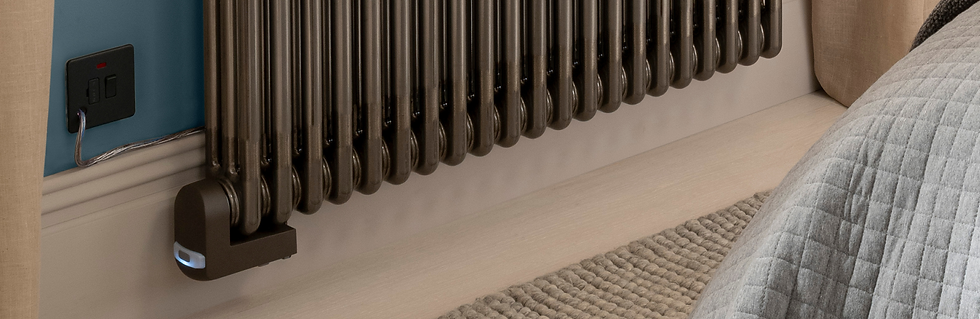
Electric heating is decentralised; instead of one boiler, each radiator works independently. Modern setups include slimline clay-core radiators or smart convector heaters that convert electricity directly into heat. Because they don't rely on pipes, they are "plug-and-play," making them a favourite for loft conversions, garden offices, and modern apartments. As the UK grid becomes greener in 2026, electric heating is increasingly seen as the sustainable, "off-gas" path for modern, low-carbon living when paired with a low-carbon electricity supply.
3. The Pros and Cons of Gas Central Heating
Pros:
Cheaper Fuel: Gas remains significantly cheaper per unit than electricity, making it the most economical way to heat a whole house.
Rapid Warmth: Boilers can heat multiple rooms and provide large volumes of hot water simultaneously.
Proven Technology: Parts are widely available, and most plumbers are trained to service these systems.
High Output: Best suited for older, draughty homes where maintaining a high base temperature is a priority.
Cons:
Energy Wastage: Heat is lost through the flue and through pipes running under floorboards.
Maintenance: Requires an annual safety service (roughly £100+)
Carbon Footprint: Burning gas directly produces CO2, making it less eco-friendly than renewable electric options.
Complex Installation: Moving radiators involves lifting floors and soldering pipes, leading to high labour costs.
4. The Pros and Cons of Electric Heating
Pros:
100% Efficient at the Point of Use: Every penny spent is converted into heat at the point of use, with zero energy lost through flues.
Zero Maintenance: With no moving parts or water, there is no need for annual servicing, bleeding, or chemical flushing.
Zonal Control: You can heat only the room you are in, allowing you to turn off the rest of the house to save money.
Green Potential: When paired with solar panels or a "green" tariff, it can be a carbon-neutral way to warm your home.
Cons:
High Running Costs: Based on the 2026 price cap, electricity costs significantly more per unit (kWh) than gas.
Slow Heat Distribution: Some electric panels take longer to warm the air in a large, high-ceilinged room compared to gas.
Grid Dependency: If there is a power cut, you have no heating unless you have a battery backup.
Infrastructure Upgrades: In older homes, installing multiple high-wattage radiators may require a fuse box upgrade.
5. Understanding the Costs (2026 Price Cap)
The primary factor in this debate is the price per kilowatt-hour (kWh). At the time of writing, the Ofgem Energy Price Cap indicates average rates for Direct Debit customers are:
Electricity: 27.69p per kWh
Gas: 5.93p per kWh
While gas is cheaper per unit, homeowners must factor in the £100–£150 annual service cost for boilers and the 10% energy loss typical of gas systems. Electric users can mitigate costs by utilising "Time of Use" tariffs, which offer lower electricity rates during off-peak hours.
6. The Verdict: Which is Best for Your Home?
While electric heating wins on pure efficiency (100% of electricity is converted into heat), gas systems often prevail when considering the cost per unit of heat in real-world usage. Your choice has to consider your home’s size, insulation, existing infrastructure, and usage patterns, as opposed to plain and simple “efficiency.”
That said, it may be worthwhile:
Upgrading Your Gas System if: You have a large, multi-story family home already connected to the grid. To maximise efficiency, replace old, inefficient radiators with modern designer models that require less water volume.
View Designer Radiators for Gas Systems
Switching to Electric if: You live in a well-insulated flat, a small home, or are adding a room extension. The savings on installation and annual maintenance, combined with "zonal" heating, often outweigh the higher unit cost of electricity.


